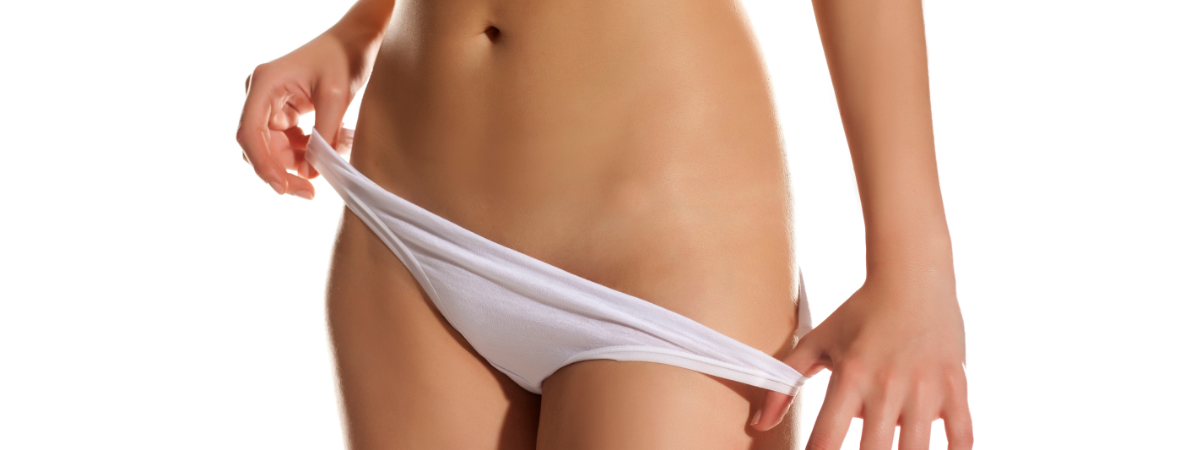
Darkening of the skin in intimate areas is a very common and natural occurrence that many individuals notice over time. It does not usually indicate any health problem, but rather reflects how the body responds to different internal and external influences. The skin in these regions is often more sensitive and contains more active pigment-producing cells, which can make color changes more noticeable compared to other parts of the body.
One of the most common reasons for darkening is hormonal change. The body’s hormones can influence melanin production, which is the pigment responsible for skin color. When melanin increases in certain areas, the skin may appear darker. This process is gradual and often happens without any discomfort.
Friction is another major factor. Laser Vaginal Tightening in Dubai regular movement, tight clothing, or repeated rubbing of the skin can stimulate melanin production as a protective response. Over time, this repeated stimulation can lead to visible darkening.
Other contributing factors may include natural aging and genetics. Some individuals are simply more prone to pigmentation changes due to inherited skin characteristics. As the skin matures, it may also lose some of its even tone, which makes pigmentation differences more noticeable.
Common Reasons Behind Skin Pigmentation Changes
Skin pigmentation in intimate areas can be influenced by multiple everyday and biological factors that often work together. These influences are completely normal and vary from person to person.
The following are some widely observed contributors:
- Hormonal fluctuations that naturally occur at different life stages
- Continuous friction caused by clothing or movement
- Natural melanin activity that varies across body areas
- Aging process that gradually changes skin tone
- Individual genetic tendency toward pigmentation differences
These factors usually develop slowly, which is why changes in skin tone are often noticed over time rather than suddenly. Many people find that these variations are simply part of the body’s natural behavior.
How Laser Vaginal & Anal Bleaching Helps Improve Skin Tone Appearance
Laser vaginal and anal bleaching is a cosmetic skin procedure that focuses on reducing excess pigmentation in targeted areas. It works by gently addressing the deeper layers of the skin where melanin is concentrated. The goal is to create a more balanced and even-toned appearance.
The process uses controlled light energy that interacts with the skin’s pigment. This energy helps break down excess melanin particles, allowing the body to gradually remove them through its natural processes. Over time, the treated area may appear lighter and more uniform in tone.
One of the key reasons people consider this approach is its precision. The treatment targets only the pigmented areas without affecting the surrounding skin. This focused approach allows for more controlled results compared to surface-level cosmetic methods.
Another important aspect is that it supports the skin’s natural regeneration process. As older pigmented cells are reduced, newer skin layers appear more even in tone. This gradual change helps the skin look smoother and more consistent.
Many individuals also appreciate that the results develop progressively, which allows the skin to adjust naturally over time. Instead of an immediate drastic change, the improvement tends to appear step by step, creating a more subtle transformation.
What Makes Skin Respond to Laser-Based Pigmentation Reduction
The skin’s response to laser-based pigmentation reduction is based on how melanin absorbs light energy. Dark pigment naturally attracts more light energy than lighter areas. When controlled energy is applied, it helps disperse the concentrated pigment clusters.
This process encourages the body’s natural renewal cycle. As the skin sheds older pigmented cells, newer layers gradually become more visible. Over time, this leads to a more balanced tone in the treated area.
Several internal factors also influence how the skin responds, including natural healing speed, pigmentation depth, and overall skin sensitivity. Since every individual’s skin is unique, the visible changes may vary from person to person, but the general goal remains the same: achieving a more even appearance.
Frequently Asked Questions
Why does intimate skin become darker over time
Intimate skin may become darker due to a combination of hormonal changes, friction, and natural melanin activity. These changes are usually gradual and part of the body’s normal biological processes.
Is skin darkening in these areas a medical concern
In most cases, it is not considered a medical concern. It is a common cosmetic variation that occurs naturally in many individuals.
How does pigmentation reduction through laser work
It works by directing controlled light energy toward excess melanin in the skin. This helps break down pigment clusters, allowing the body to naturally process and reduce them over time.
Does the skin change happen quickly
The changes usually develop gradually. The skin needs time to adjust as melanin levels decrease and new skin layers become more visible.
Conclusion
Darkening of intimate skin areas is a natural and widespread occurrence influenced by hormones, friction, genetics, and aging. It is not unusual and varies greatly from person to person. Laser Vaginal Tightening offers a focused cosmetic approach that aims to reduce excess pigmentation by targeting melanin in the skin. Through gradual and controlled skin response, it supports a more even and balanced appearance over time. While results differ individually, the process is generally understood as a progressive enhancement of skin tone rather than an immediate transformation, helping many individuals feel more aligned with their personal aesthetic preferences.
