Every firearm owner reaches a point where the setup feels familiar, almost automatic. You draw, aim, and fire with confidence, yet something feels slightly dated. That moment often sparks curiosity about optics or accessories. Whether you run iron sights on a Glock 19 gen 4 or a larger caliber handgun, upgrades become part of the growth process. The real question revolves around timing. Knowing when to upgrade matters more than what to upgrade.
Understanding the Role of Optics and Accessories
Optics and accessories exist to enhance performance, not replace skill. Sights improve target acquisition, lights improve visibility, and grips improve control. As training progresses, limitations in factory gear start to show. Shooters who train consistently start noticing small inefficiencies. That awareness often appears earlier for owners of platforms like a 10mm Glock, where recoil management and sight tracking demand more from the setup.
When Training Outgrows Factory Gear
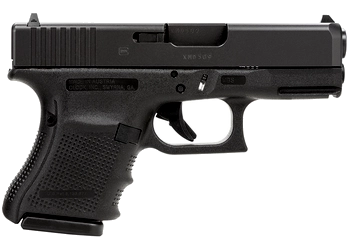
Consistent range time sharpens awareness. Groupings tighten, draw times shorten, and transitions feel smoother. At this stage, factory sights or accessories start holding performance back. A clearer optic or a better trigger interface aligns better with refined technique. Many shooters upgrading from stock sights on a Glock 19 gen 4 describe an immediate improvement in confidence during drills.
Low Light and Real-World Conditions
Most defensive encounters do not happen in ideal lighting. Low light exposes gaps in equipment. Iron sights without night inserts struggle, and handheld flashlights limit movement. A mounted light or illuminated optic improves awareness and control. Owners of a 10mm Glock often feel this need sooner due to the platform’s defensive role in outdoor or backcountry environments.
Wear, Tear, and Reliability Concerns
Gear wears out quietly. Sights loosen, mounting screws fatigue, and lenses scratch. Accessories that once felt solid begin shifting under recoil. Regular inspection reveals these signs. Upgrading at this point protects reliability rather than chasing novelty. Many shooters replace aging factory components on a Glock 19 gen 4 after several thousand rounds for this exact reason.
Changes in Shooting Purpose
Purpose drives equipment decisions. A handgun used only for casual range time demands less than a daily carry or duty firearm. Transitioning roles often triggers upgrades. A home defense setup benefits from a light, while competition setups benefit from refined optics. A 10mm Glock moving from range use to defensive carry often receives immediate attention in this area.
Physical Comfort and Ergonomics
Hands change under stress and repetition. Grip texture that once felt fine starts causing fatigue or slippage. Trigger reach and recoil impulse affect comfort over long sessions. Accessories tailored to hand size and shooting style reduce strain. Many Glock 19 gen 4 owners upgrade grips or backstraps once extended training highlights discomfort.
Technology Advancements
Optics technology evolves rapidly. Modern red dots offer longer battery life, clearer glass, and improved durability. Holding onto outdated equipment limits performance potential. Upgrading does not mean chasing trends. It means recognizing when new technology aligns with actual needs. This decision becomes especially relevant for high energy platforms like a 10mm Glock, where durability matters.
Skill Plateaus and Mental Growth
Skill plateaus feel frustrating. Practice continues, yet improvement slows. Equipment upgrades sometimes provide renewed focus and feedback. A crisp optic or enhanced control surface reinforces fundamentals. This mental boost often helps shooters break plateaus. A well set up Glock 19 gen 4 becomes a learning tool rather than a limiting factor.
Budget Timing and Long-Term Value
Upgrades feel expensive when rushed. Planning upgrades around training milestones spreads cost and maximizes value. Replacing parts only when they serve a clear purpose keeps the setup efficient. Shooters who pace upgrades on a 10mm Glock often report greater satisfaction compared to impulse buyers.
Professional Guidance and Self-Assessment
External input matters. Instructors often spot equipment limitations before shooters notice them. Honest self-assessment paired with professional advice clarifies upgrade timing. Listening to feedback keeps upgrades practical. Many Glock 19 gen 4 users discover this during structured training environments.
Conclusion
Upgrading firearm optics and accessories works best when guided by experience, not impulse. Training progression, environmental demands, wear, and evolving goals all signal the right moment. Whether refining a trusted Glock 19 gen 4 or enhancing a powerful 10mm Glock, thoughtful upgrades support growth without distraction. The right time to upgrade arrives when equipment starts limiting potential rather than supporting it.
