Behind every safe and well-run senior living environment is structured caregiver education. Families often focus on room design or activity schedules, but safety begins with staff preparation. A strong CNA training program builds the foundation for consistent, competent daily care.
Certified Nursing Assistants provide the majority of hands-on support in senior settings. They assist with mobility, hygiene, monitoring, and emotional reassurance. Without structured preparation, these responsibilities can lead to risk. With proper training, they become organized and predictable.
Building Core Clinical Skills
A CNA training program begins with clinical fundamentals. Students learn infection control procedures, safe transfer techniques, and proper body mechanics. These skills reduce fall risk and protect both caregivers and residents from injury.
Vital sign monitoring is another key component. Blood pressure, pulse, respiration, and temperature tracking allow caregivers to recognize early warning signs of medical issues. Early detection supports timely intervention and reduces complications.
These clinical foundations are not optional. They form the backbone of safe daily operations in senior living environments.
Emphasizing Personal Care With Dignity
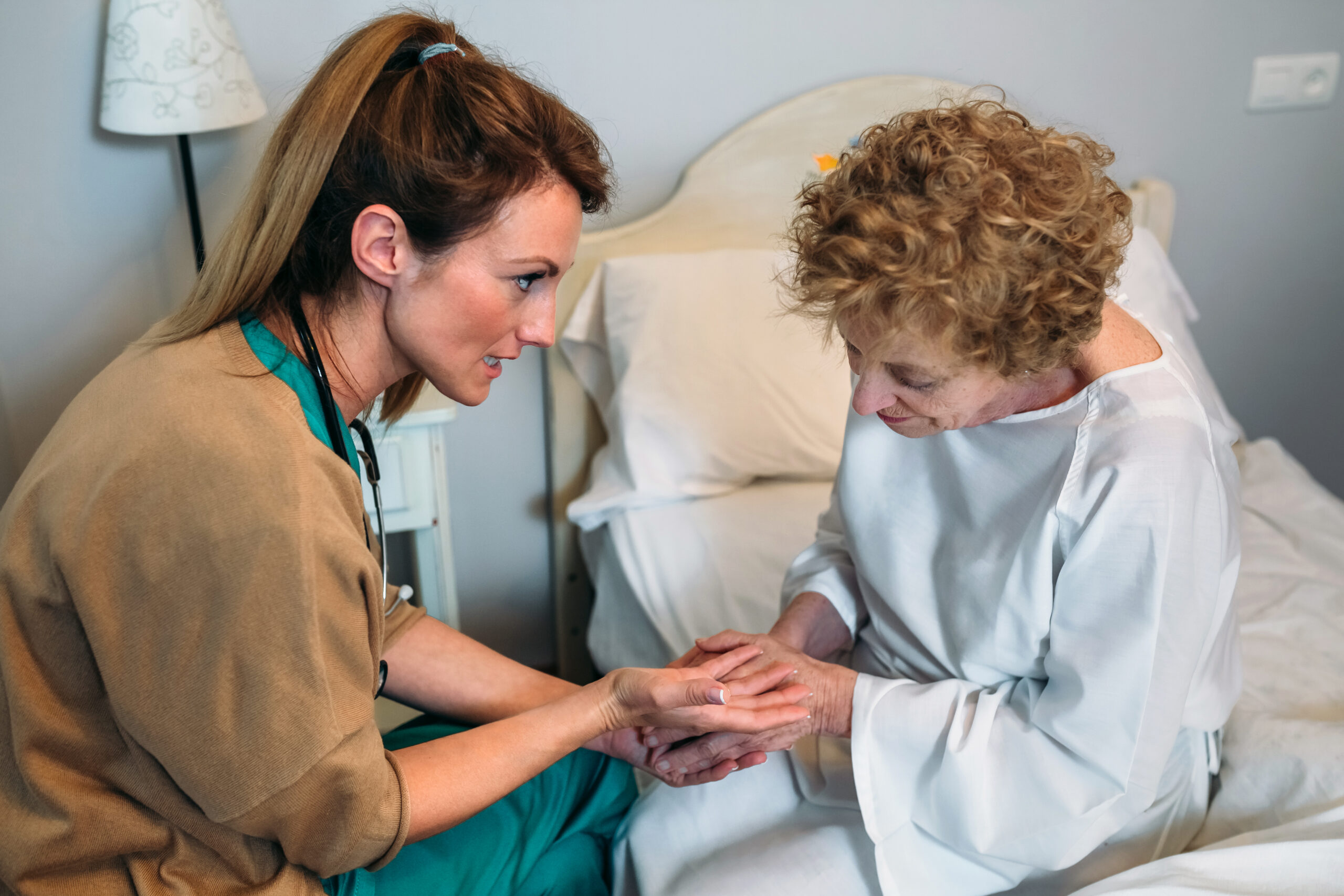
Supporting seniors with bathing, dressing, and toileting requires sensitivity. CNA training teaches caregivers how to preserve dignity while assisting with personal tasks.
Residents should feel respected and heard during care interactions. Training emphasizes communication, consent, and privacy standards. When these principles are followed consistently, trust develops naturally.
This attention to dignity protects emotional well-being alongside physical safety.
Preparing for Memory and Cognitive Support
Many seniors experience some level of cognitive change. A structured CNA training program introduces caregivers to dementia awareness, behavior observation, and calm redirection techniques.
Caregivers learn how to respond to confusion or agitation without confrontation. They are trained to recognize patterns and document behavioral changes accurately.
These skills are especially important in environments that support memory-related conditions. Communities such as Silverleaf Eldercare often emphasize structured staff education to maintain consistency in this area.
Teaching Documentation and Reporting
Accurate documentation protects residents and caregivers alike. CNA training includes instruction on recording observations, noting changes, and communicating effectively with supervising nurses.
Subtle shifts in appetite, mobility, or mood may signal emerging concerns. Proper reporting ensures those signals are not overlooked.
Without structured documentation skills, even attentive caregivers may miss critical details.
Reinforcing Team Coordination
Senior care environments rely on teamwork. A CNA training program prepares caregivers to collaborate effectively during shift changes and routine handoffs.
Clear communication prevents errors and promotes continuity. Caregivers learn prioritization skills so that urgent needs are addressed promptly without neglecting routine responsibilities.
Strong coordination contributes to overall operational stability.
Why Training Standards Matter
When evaluating a senior living community or care provider, ask about staff certification and continuing education. Formal CNA training signals organizational commitment to safety and consistency.
Training does more than teach procedures. It establishes accountability, predictability, and professional standards. These qualities reduce risk and enhance the resident experience.
Understanding how a CNA training program prepares staff allows families and employers to make informed decisions based on measurable standards rather than assumptions.
