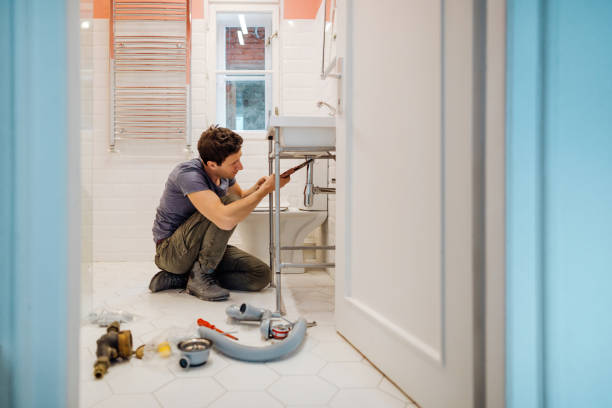
Grease feels harmless when it is warm and runny. However, it changes fast once it cools. It sticks to pipe walls like glue. Then it grabs food bits, soap, and hair. Over time, that sticky layer grows. Soon, water cannot move the way it should. That is how common residential plumbing problems can start in a normal home, even when everything seems fine at first.
If you cook often, this risk goes up. Also, dish soap may hide the issue for a while. It can push grease farther down the line. Still, the grease does not disappear. Instead, it settles where the pipe turns or narrows. So the real trouble may show up later as slow drains, bad smells, or a sudden backup. The good news is you can spot it early and stop it.
Common Residential Plumbing Problems Often Start In Kitchen Drain Lines
Kitchen drains deal with oils, fats, and food scraps every day. So they are a common starting point. At first, you may only notice a sink that drains a bit slower. Then, you may hear gurgling. After that, clogs can happen more often.
Here is why grease causes trouble. Warm grease slides down the drain. However, cooler pipes turn it into a thick coating. Then, small bits of rice, pasta, or coffee grounds stick to it. As a result, the drain opening gets smaller each week.
A plumber once explained it like this: “Grease does not act like water. It acts like paint. It coats the pipe, and it keeps coating.”
Slow Drains And Standing Water Are Early Warnings You Can Act On
A slow drain is more than a small annoyance. It is often the first clear sign of grease buildup. Also, standing water can mean a clog is forming deeper in the line. When you act early, you can avoid a messy backup later.
Watch for these early signs in sinks and tubs:
- Water drains slowly after normal use
- Water pools around the drain for minutes
- You smell a sour or “old food” odor
- The drain sounds noisy or bubbly
These signs often warn you about residential plumbing issues that build up over time. Still, you can often reduce buildup with safer habits. For example, wipe pans with a paper towel before washing. Also, strain food scraps out of the sink. If slow drains keep coming back, that matters. It often means the pipe has a coating, not just one stuck item.
Grease Can Trigger Clogs, Backups, And Even Sewage Smells
Grease clogs can act like a dam. Water may pass a little at first. However, one extra load of dishes can push it over the edge. Then the sink backs up. In the worst cases, water can rise in another drain, like a tub or floor drain. Grease also traps bacteria and rotting food. So bad smells can travel back up the pipe. Those odors can seem like a trash issue, yet the real source can be inside the drain line.
“The smell came and went. Then it stayed. That is when the sink finally backed up.”
Odors plus slow flow can be early signs of common residential plumbing problems in kitchen drain lines. Also, avoid harsh chemical drain cleaners because they can hurt pipes and still leave grease behind.
Why Grease Buildup Can Stress Pipes, Joints, And Older Plumbing
Grease not only blocks water. It can also change pressure in the system. When water struggles to pass, pressure can build behind the clog. That pressure may strain joints, especially in older lines. Also, repeated plunging can loosen weak fittings. In some homes, pipes already have small rough spots inside. Those spots catch grease faster. So the buildup grows quicker than you expect. That added stress can create home plumbing problems like repeated clogs, loose joints, or under-sink leaks.
Grease can also hide other trouble. For example, a small crack may not show until a clog forces water out of the weak point. Then a “simple clog” becomes a cabinet leak. If your home is older, take slow drains seriously. It is better to fix the buildup early than to repair water damage later.
Simple Habits That Cut Grease Buildup Without Making Life Harder
You do not need complicated routines. Small steps make a big difference, especially when done daily. Also, these habits protect your pipes and help drains stay clear longer.
Try these practical steps:
- Pour grease into a can or jar, then trash it once it’s cool
- Wipe greasy pans before washing
- Use a sink strainer to catch food scraps
- Run hot water after washing dishes for 20–30 seconds
- Toss coffee grounds in the trash, not the drain
Give your sink a weekly reset, too. You can flush with hot water after a normal dish load. Then follow with another hot rinse. This does not “melt” everything away, yet it can help reduce new buildup. These steps also lower the chance of residential plumbing issues spreading from the kitchen to the main line.
How To Respond When A Grease Clog Is Already Forming
When you suspect a grease clog, move carefully. Some quick fixes can make things worse. For example, forcing a clog deeper can spread it down the pipe.
A safer plan often looks like this:
- Stop using the drain for a short time
- Remove and clean the sink trap if you can do it safely
- Use a plunger with a steady seal if water is standing
- Avoid boiling water in porcelain sinks to prevent cracking
- Skip chemical cleaners that can harm pipes
If the clog clears but returns soon, that usually means grease still lines the pipe. In that case, a deeper cleaning may be needed. A drain snake can help, yet it may not remove the full coating. So the best next step is often a full inspection if repeats keep happening.
A Quick Table To Match Signs With Likely Causes And Smart Next Steps
Use this simple guide to decide what to do next.
| What you notice | What it often means | A smart next step |
|---|---|---|
| Slow kitchen sink drain | Grease coating is narrowing the pipe | Clean the strainer, wipe pans, and test the flow for 48 hours |
| Gurgling after draining | A partial blockage traps air | Check the trap, avoid pushing debris deeper |
| Odor from the drain | Grease and food are rotting in the line | Clean trap, flush hot water, stop grease disposal |
| Repeat clogs | Coating remains on the pipe walls | Consider inspection and deeper line cleaning |
| Water is backing up fast | Near-complete blockage | Stop water use and get help quickly |
When It Is Time To Get Help And Protect Your Home Long Term
Some grease problems go beyond a simple sink clog. If multiple drains slow down at once, the issue may be in the main line. Also, if backups happen often, the pipe may need a deeper clean or a camera check. That helps confirm what is happening and where.
If you want fewer surprises, keep a simple routine: avoid pouring grease, use strainers, and watch for early signs. If you catch problems early, you can avoid many repairs tied to common residential plumbing problems. And if you see these red flags, do not wait: backups in more than one drain, sewage odors, or water rising in tubs or floor drains. Those can cause damage fast.
And If You Want To Keep Your Drains Calm For Years Ahead…
Grease buildup can start small, yet it can grow into costly trouble. Still, simple habits can protect your pipes and your day. If clogs keep returning or signs spread to other drains, a professional check can save time and stress. When you need clear answers and steady help, Speedy Plumbing LLC can inspect the cause and guide the right next step so your home stays safe and dry.
