Stepping into a caregiving role often happens suddenly. One day everything feels normal and the next day you are responsible for helping a loved one through illness injury or aging. It is a role filled with love but also filled with questions. Many people find themselves unsure of what to do or how to do it safely. This is where Carer and Family Training and Education becomes not just helpful but essential.
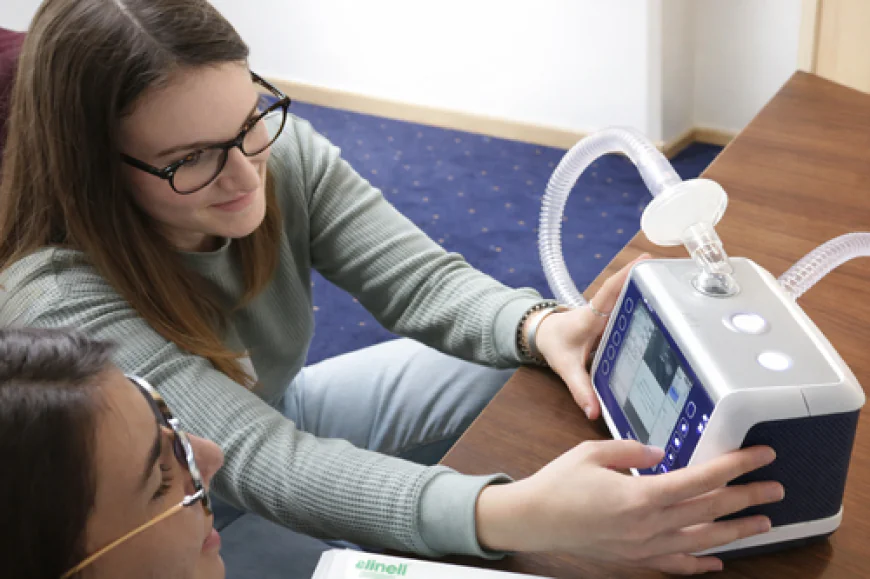
Carer and Family Training and Education gives people the knowledge they need to care with confidence. It turns confusion into clarity and replaces guesswork with practical understanding. Instead of feeling lost carers begin to feel capable. This shift can make a big difference in both the quality of care and the emotional wellbeing of everyone involved.
One of the first benefits people notice is a better understanding of daily care routines. Tasks like helping someone move safely assisting with hygiene or managing medications can feel intimidating at first. With proper training these tasks become easier and more structured. Carers learn the right techniques which helps prevent injuries and keeps both the carer and the loved one safe.
Safety is a major concern in any caregiving situation. Without proper knowledge even simple actions can lead to accidents. Carer and Family Training and Education teaches how to reduce risks at home. This might include learning how to lift correctly how to set up a safe living space or how to respond during an emergency. These lessons bring peace of mind and create a more secure environment.
Another important part of caregiving is communication. Some individuals may struggle to express their needs due to health conditions or age related challenges. Training helps carers understand how to listen more effectively and respond with patience. It also teaches ways to interpret non verbal cues which can be just as important as spoken words. This deeper understanding builds trust and strengthens relationships.
Emotional wellbeing is often overlooked but it plays a huge role in caregiving. Looking after someone else can be physically demanding and emotionally draining. Carer and Family Training and Education addresses this by offering strategies to manage stress and avoid burnout. Carers learn that taking care of themselves is not selfish but necessary. When they feel supported they can provide better care.
Families often share the responsibility of caregiving. Without clear guidance this can lead to confusion or even conflict. Training brings everyone together with a shared understanding. It helps define roles and encourages teamwork. When each person knows what to do the entire process becomes smoother and more supportive for the person receiving care.
Another key benefit is learning how to encourage independence. It is natural to want to do everything for someone you care about. However allowing them to do what they can on their own is important for their confidence and dignity. Carer and Family Training and Education teaches how to strike this balance. Supporting independence can improve both physical and emotional health.
Modern caregiving often involves using technology. From simple tools like reminder systems to more advanced health monitoring devices these tools can make life easier. Training helps carers understand how to use them properly. This can save time reduce stress and improve the overall quality of care.
Cultural understanding also plays a role in caregiving. Every family has unique values and traditions. Carer and Family Training and Education encourages respect for these differences. It helps carers provide support in a way that feels natural and comfortable for the person receiving care. This creates a more positive and respectful experience.
Confidence is one of the biggest outcomes of proper training. When carers know what they are doing they feel more in control. This confidence reduces anxiety and helps them handle challenges more effectively. It also creates a calmer environment which benefits everyone involved.
Another advantage is the sense of community that often comes with training programs. Carers meet others who are going through similar experiences. Sharing stories and advice can be incredibly reassuring. It reminds people that they are not alone and that support is always within reach.
Financial awareness can also be part of Carer and Family Training and Education. Caring for someone can come with unexpected costs. Training can provide guidance on available resources and support systems. This knowledge helps families plan better and reduces financial stress.
The impact of training goes beyond just practical skills. It improves relationships within the family. When care is organized and less stressful there is more room for connection and understanding. This can strengthen bonds and create a more positive home environment.
Children in caregiving households also benefit indirectly. When adults are less overwhelmed they can provide a more stable and supportive atmosphere. This highlights how Carer and Family Training and Education can influence the entire family not just the primary carer.
Flexibility is another reason why training is accessible to many people. Programs are often designed to fit into busy schedules. Whether through online sessions or in person learning carers can find options that suit their needs. This makes it easier to gain valuable skills without disrupting daily life.
Caregiving is not a static role. Needs can change over time as health conditions evolve. Ongoing Carer and Family Training and Education ensures that carers stay prepared. It allows them to adapt and continue providing the best possible support as situations change.
Some people hesitate to seek training because they feel they should already know what to do. In reality caregiving is a skill that can be learned and improved. Choosing to learn is a sign of dedication not weakness. It shows a commitment to providing the best care possible.
The journey of caregiving is filled with challenges but also moments of deep connection and meaning. Having the right support through Carer and Family Training and Education makes this journey more manageable. It provides a sense of direction and reassurance during uncertain times.
Ultimately the goal is to create a better quality of life for both the carer and the person receiving care. When carers feel prepared and supported they can focus more on compassion and less on worry. This leads to a more positive and fulfilling experience for everyone involved.
Choosing Carer and Family Training and Education is an investment in knowledge confidence and wellbeing. It equips families with the tools they need to handle both everyday tasks and unexpected challenges. Most importantly it ensures that care is given with respect understanding and genuine care.
In today world where many families take on caregiving roles the importance of proper education continues to grow. It is not just an option but a valuable step toward better care. With the right training carers can navigate their responsibilities with confidence and provide the kind of support that truly makes a difference.
