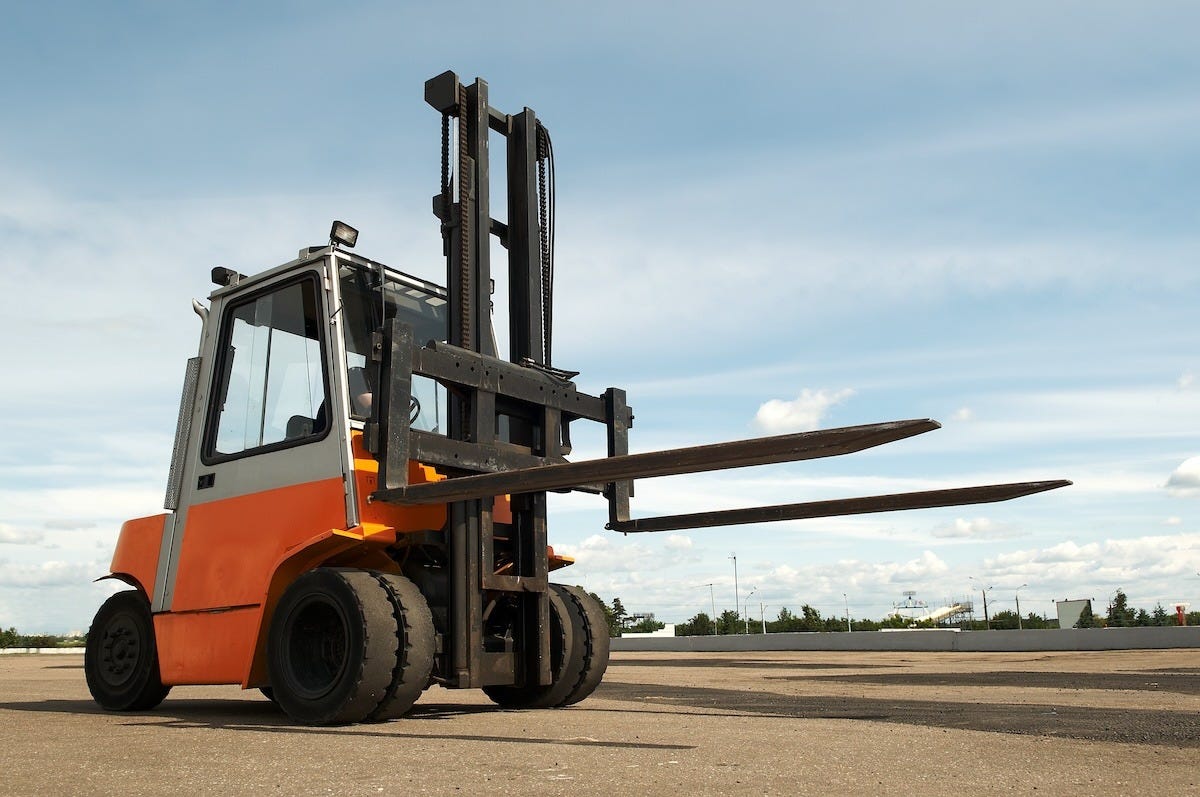
Hiring the right forklift is essential for the smooth and safe operation of any worksite, whether it’s a warehouse, construction site, or industrial facility. Forklifts handle heavy loads, improve efficiency, and reduce manual labor, but choosing the wrong equipment can lead to delays, accidents, or extra costs. This article explores the key factors to consider when hiring a forklift, including worksite requirements, safety, cost, and fuel efficiency. By understanding these factors, you can make informed decisions and ensure your operations run efficiently. Choosing the right supplier is equally important to secure reliable equipment and support.
Assess Your Worksite Requirements
Load Capacity and Weight Handling
Selecting a forklift with the correct load capacity is critical. Overloading a forklift can cause tip-overs, damage goods, and compromise operator safety. Determine the heaviest items your site needs to move and ensure the forklift can handle them safely. Consider both maximum load and load distribution when evaluating equipment. Hiring a forklift with the right capacity improves productivity and reduces the risk of costly accidents.
Worksite Terrain and Environment
The type of terrain and operating environment directly affects forklift performance. Smooth warehouse floors may require electric forklifts, while rough outdoor surfaces need diesel or LPG forklifts with rugged tires. Indoor operations benefit from zero-emission electric forklifts for safety and cleanliness. Evaluate lighting, weather exposure, and space constraints before hiring. The right forklift ensures efficient material handling while maintaining safety standards.
Forklift Size and Maneuverability
Forklift dimensions should match your worksite layout and aisle widths. Compact forklifts are ideal for tight spaces, while larger forklifts handle heavy-duty tasks more effectively. Maneuverability impacts speed, efficiency, and safety, especially in confined areas. Consider the turning radius and operator visibility. A properly sized forklift reduces downtime and minimizes damage risks to inventory and structures.
Safety and Compliance Considerations
Operator Safety Features
Modern forklifts come equipped with seat belts, rollover protection, and stability systems to prevent accidents. Ensuring operators are comfortable and secure reduces the likelihood of errors. Safety features also protect both staff and inventory, promoting a safer work environment. Hiring forklifts with advanced safety systems can significantly reduce workplace incidents. Well-trained operators can maximize these safety features, enhancing overall operational efficiency.
Regulatory Compliance
All forklift operations must comply with local and international safety regulations, such as OSHA standards. Operators must be certified, and the equipment should meet inspection requirements. Non-compliance can result in fines, accidents, and insurance issues. Ensuring compliance protects your business, staff, and assets. Hiring from a reputable supplier guarantees certified and compliant forklifts for safe operation.
Cost and Rental Terms
Rental vs. Purchase Costs
Hiring a forklift is often more cost-effective than purchasing, especially for short-term projects. Buying requires significant upfront investment, maintenance, and storage. Renting allows flexibility, reduces financial strain, and ensures access to the latest models. Evaluate your project duration and workload to determine which option is more economical. Flexible rental agreements help optimize resources and control costs efficiently.
Rental Agreements and Support Services
A good hire agreement includes maintenance, breakdown support, and flexible terms. Prompt service ensures minimal downtime and uninterrupted operations. Reliable suppliers provide technical assistance, quick replacements, and guidance on choosing the right equipment. Assess the supplier’s reputation and service quality before signing a rental contract. Support services make forklift hire stress-free and cost-effective.
Additional Factors to Consider
Forklifts often require attachments like clamps, forks, or specialized tools to handle different materials. Attachments improve efficiency and expand the forklift’s capabilities. Customization ensures the forklift meets your site’s specific needs, from pallet handling to heavy container movement. Evaluate what tasks the forklift will perform before hiring. The right attachments reduce operational time and improve safety.
Fuel Type and Efficiency
Choosing between electric, diesel, and LPG forklifts depends on your site’s requirements. Electric forklifts are quiet, zero-emission, and ideal for indoor operations. Diesel forklifts are powerful, suitable for heavy loads and rough terrains, while LPG offers a balance of power and clean operation. Consider fuel efficiency, environmental impact, and operational costs when hiring. The right fuel type boosts productivity while reducing long-term expenses.
Why Choose FERAQuip
FERAQuip offers high-performance electric and diesel forklifts tailored to diverse worksite needs. With expert guidance, flexible rental plans, and reliable after-sales support, FERAQuip ensures safety and efficiency on every project. Our forklifts are regularly maintained, fully compliant, and equipped with the latest safety features. Choosing FERAQuip means access to modern equipment, experienced operators, and a supplier that prioritizes your operational success. Get a personalized quote today to optimize your material handling solutions.
Conclusion
Hiring the right forklift involves evaluating worksite requirements, safety, cost, attachments, and fuel efficiency. A careful approach ensures efficient operations, reduces risks, and controls costs. Partnering with a trusted supplier like FERAQuip guarantees access to reliable, compliant, and high-performance forklifts. Proper planning and equipment selection make your worksite safer, more productive, and fully prepared for any project demands.
FAQs
What type of forklift is best for outdoor construction sites?
Diesel forklifts are ideal for rough terrain and heavy loads outdoors.
Can I hire a forklift for a short-term project?
Yes, most rental companies offer flexible short-term hire options.
Do operators need certification to use a hired forklift?
Yes, certified operators are required for legal and safe operation.
How do I know the right forklift size for my worksite?
Assess aisle widths, load weight, and maneuvering space before hiring.
Are maintenance and breakdown services included in forklift hire?
Reputable suppliers like FERAQuip provide support and maintenance with rental equipment.
