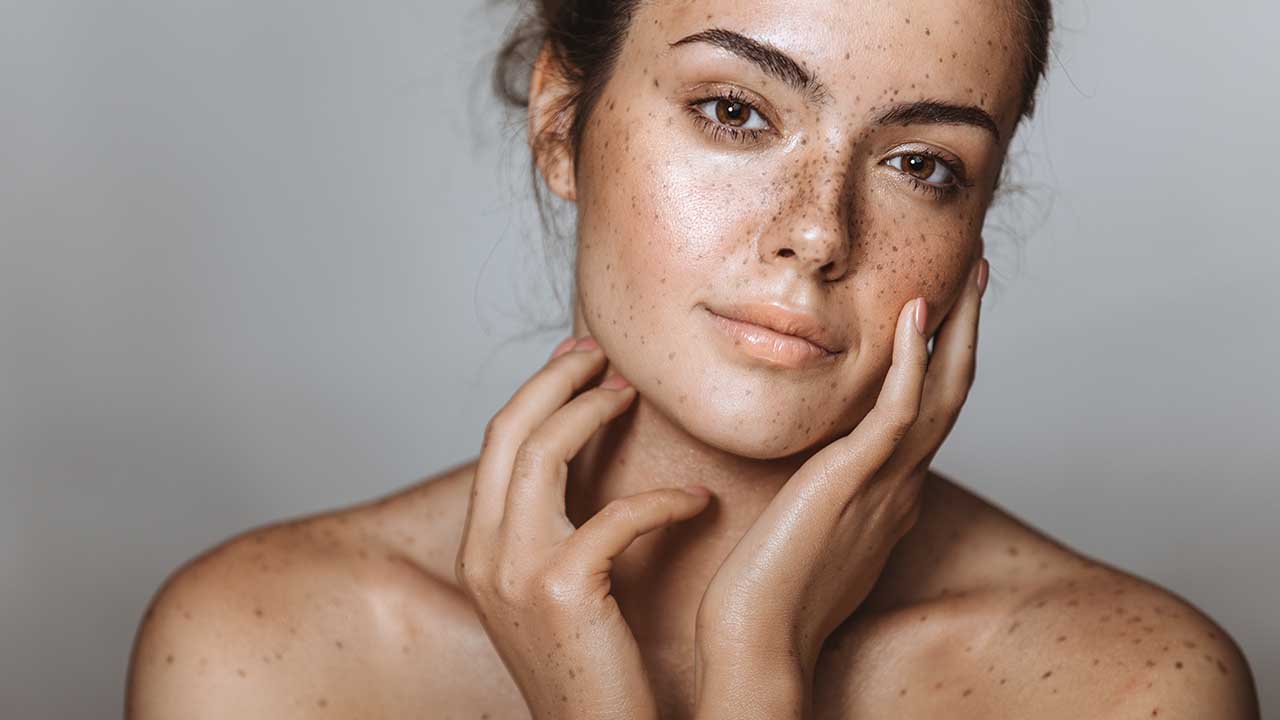
Melasma is a common skin condition that appears as dark, patchy pigmentation on the face, especially on the cheeks, forehead, upper lip, and nose. During pregnancy, hormonal changes often make the skin more sensitive to sunlight and internal shifts, which can trigger or worsen these pigmentation patches. It is a harmless condition, but it can affect how a person feels about their appearance. Many individuals notice that melasma becomes more noticeable with sun exposure and may fluctuate in intensity throughout pregnancy. The skin’s natural response during this period is more reactive, which is why gentle care becomes especially important.
Gentle Management Approaches
Pregnancy-safe Melasma Treatment in Dubai focuses on calm, consistent care that supports the skin without causing unnecessary stress. Instead of aggressive approaches, attention is given to soothing routines that help the skin maintain balance.
The skin often benefits from simple, non-irritating habits such as:
- Keeping the face clean using mild cleansing routines that do not strip natural moisture
- Avoiding excessive heat exposure that can intensify pigmentation visibility
- Choosing soft, breathable fabrics that reduce friction on facial skin
- Allowing the skin to rest by avoiding frequent touching or rubbing of affected areas
These approaches are not about changing the skin overnight but about supporting it gently through natural pregnancy changes.
Sun Protection Habits for Skin Comfort
Sun exposure is one of the strongest factors that can make melasma appear darker. During pregnancy, the skin becomes even more sensitive to light, so thoughtful protection habits can make a noticeable difference in comfort and appearance.
Some supportive habits include:
- Staying in shaded areas whenever sunlight is strongest
- Wearing wide-brimmed hats or protective head coverings when outdoors
- Using sunglasses to reduce facial exposure around the eye and cheek area
- Planning outdoor activities during cooler or less intense daylight hours
These habits help reduce the stimulation of pigment-producing cells, allowing the skin to maintain a more even appearance over time without relying on harsh methods.
Lifestyle Support for Skin Balance
A balanced lifestyle plays a quiet but important role in how the skin behaves during pregnancy. The body is already adjusting to many internal changes, so gentle daily routines can help maintain overall skin harmony.
Helpful lifestyle habits may include:
- Maintaining consistent hydration through regular fluid intake
- Eating a balanced variety of fresh, whole foods that support overall wellness
- Prioritizing restful sleep to allow the skin time to naturally renew
- Managing stress through calm daily activities such as reading, light movement, or quiet relaxation
These habits do not directly target melasma but help create a healthier internal environment where the skin is less likely to become visibly imbalanced.
Emotional Confidence During Skin Changes
Melasma during pregnancy can sometimes affect self-image, especially when changes appear suddenly. However, it is a temporary and very common condition experienced by many individuals. Emotional well-being plays an important role in how these changes are perceived.
Supportive perspectives include:
- Recognizing that skin changes are a normal part of pregnancy for many people
- Understanding that pigmentation often improves naturally after hormonal shifts settle
- Focusing on overall health rather than temporary facial changes
- Practicing self-acceptance during periods of visible skin variation
When emotional confidence is supported, the experience of melasma often feels less overwhelming and more manageable.
FAQs
What causes melasma to appear during pregnancy
Melasma appears mainly due to hormonal changes that increase skin sensitivity to light and stimulate pigment activity. These changes are natural during pregnancy and affect each person differently.
Does melasma always worsen during pregnancy
Not always. In some cases, pigmentation remains mild, while in others it becomes more visible. Sun exposure and individual skin response both influence its intensity.
Can melasma go away after pregnancy
In many cases, melasma becomes less noticeable after pregnancy when hormone levels stabilize. However, the timeline can vary from person to person.
Why does sunlight affect melasma so strongly
Sunlight activates pigment cells in the skin, making existing patches darker and more visible. Pregnancy increases this sensitivity, which is why light exposure has a stronger effect.
Is melasma a permanent condition
For most individuals, melasma is not permanent. It often improves over time, especially when the skin is supported with gentle care and reduced sun exposure.
Conclusion
Pregnancy-safe Melasma Treatment is centered on patience, gentleness, and consistency rather than quick changes. The condition is closely tied to hormonal shifts and sun sensitivity, making supportive habits more effective than harsh approaches. By focusing on skin comfort, mindful protection from sunlight, and balanced daily routines, the appearance of melasma can often be kept more stable during pregnancy. Emotional reassurance also plays a meaningful role, helping individuals view these changes as temporary and natural. Over time, many notice improvement as the body adjusts after pregnancy, reinforcing the importance of calm and steady care throughout the journey.
