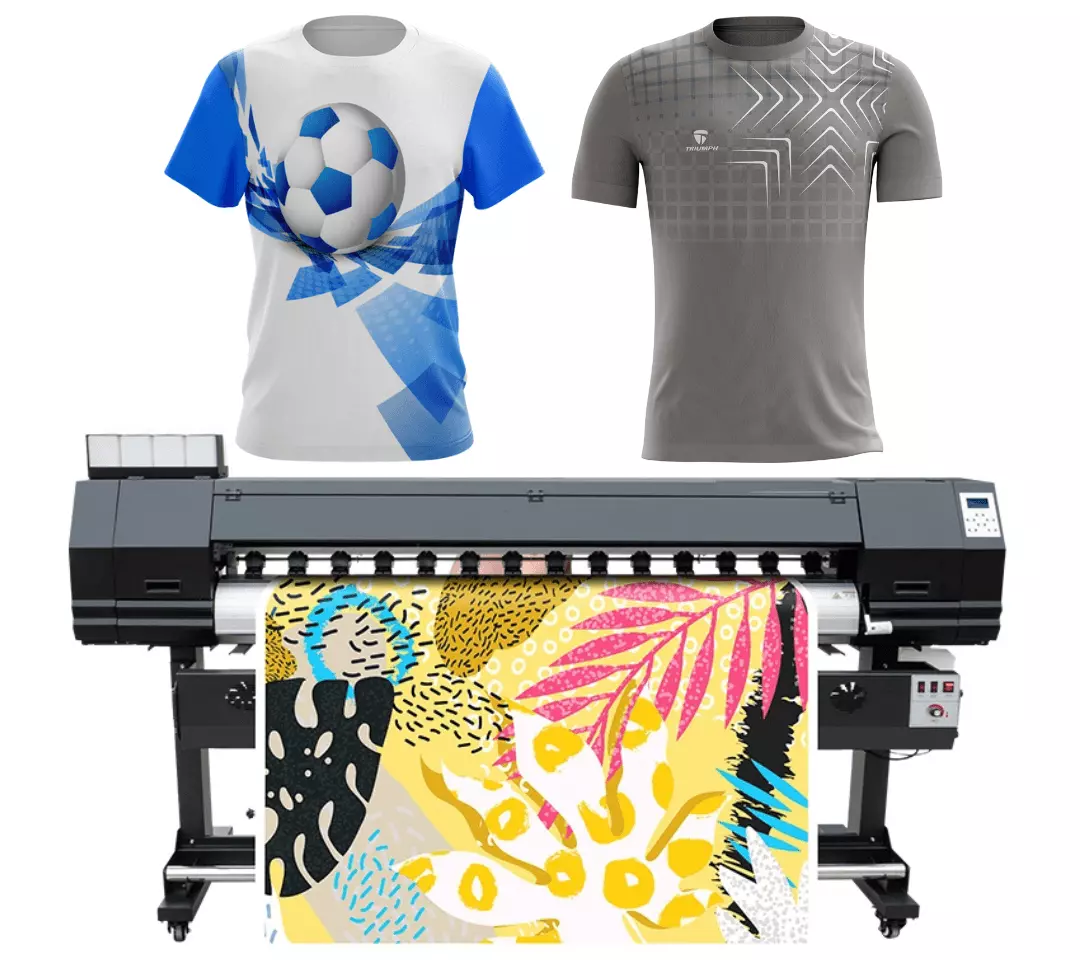
Sublimation printing produces vibrant, all-over graphics that do not crack, peel, or fade. But the quality of the final product depends heavily on the fabric. Choosing the wrong material can result in dull colors, uneven prints, and garments that do not hold up over time.
This article explains how fabric affects High‑Quality Sublimation Printing and what to look for when building custom sublimation uniforms for your team.
How Sublimation Works
Sublimation is a heat-transfer process. Ink is printed onto transfer paper, then heat and pressure convert the ink into a gas that bonds directly with polyester fibers. The result is a print that becomes part of the fabric rather than sitting on top of it.
This process only works on polyester or polyester-dominant blends. Natural fibers like cotton do not accept sublimation ink, which is why fabric selection is critical.
Why Polyester Content Matters
The higher the polyester content, the more vibrant the print. Fabrics with 100% polyester produce the sharpest colors and clearest details. Blends that include spandex, typically in the 5% to 10% range, add stretch and comfort without significantly affecting print quality.
Fabrics with lower polyester content produce washed-out or “vintage” results. If your fabric is only 60% polyester, the ink will only bond with 60% of the fibers. The remaining cotton or other fibers will show through, muting your design.
For custom sublimation uniforms, this means selecting fabrics specifically engineered for the process. Performance blends made from polyester and spandex deliver both print quality and comfort for all-day wear.
Fabric Weight and Its Impact
Sublimation fabrics come in different weights, typically measured in grams per square meter (GSM) or ounces per yard. Lighter fabrics work well for warm environments and athletic applications. Heavier fabrics provide more structure and durability for everyday use.
- Lightweight options, around 4 to 5 ounces, are breathable and moisture-wicking. They work well for performance polos, athletic jerseys, and outdoor crews.
- Midweight and heavyweight options, around 6 to 9 ounces, provide a more substantial feel suited for corporate uniforms, retail apparel, and cooler climates.
The weight you choose should match your use case. A warehouse team working in summer heat needs different fabric than an office staff wearing uniforms year-round.
Moisture-Wicking and Performance Features
Many sublimation fabrics are engineered with moisture-wicking properties. These fabrics pull sweat away from the body and allow it to evaporate quickly, keeping the wearer cool and dry.
For custom sublimation uniforms worn by active teams, whether in hospitality, healthcare, home services, or athletics, moisture-wicking fabric is a practical choice. It improves comfort during long shifts and helps garments look fresh throughout the day.
Some performance fabrics also include anti-odor treatments or UV protection. These features add value for teams working outdoors or in physically demanding environments.
Fabric Construction: Knit vs. Woven
Most sublimation apparel uses knit fabrics, which have natural stretch and drape comfortably on the body. Knit construction also allows for consistent dye absorption across the garment, resulting in even color and sharp graphics.
Woven fabrics are less common for sublimation apparel but may appear in specific applications like flags, banners, or structured garments. For uniforms and everyday apparel, knit polyester blends remain the standard.
Why Fabric Choice Affects Durability
High-quality sublimation printing produces prints that last because the ink bonds at a molecular level with the fabric. But the fabric itself must also hold up to repeated washing and wear.
Cheap polyester fabrics may pill, stretch out, or lose shape after a few wash cycles. Quality performance blends maintain their structure, color, and fit over time. This matters for uniform programs where garments need to look consistent across multiple employees and reorders.
What to Look for in a Sublimation Partner
When evaluating a production partner, ask about their fabric options. A partner that manufactures its own sublimation garments will have more control over fabric quality than one that prints on off-the-shelf blanks.
Look for partners that specify fabric composition, weight, and performance features. Ask whether their fabrics are designed specifically for sublimation or simply polyester blanks adapted for the process.
Final Considerations
Fabric is the foundation of high-quality sublimation printing. The right polyester blend produces vibrant, durable prints that hold up over time. The wrong fabric produces disappointing results that reflect poorly on your brand.
When building custom sublimation uniforms, start with the fabric. Choose a weight, blend, and performance profile that matches your team’s environment and expectations.
